
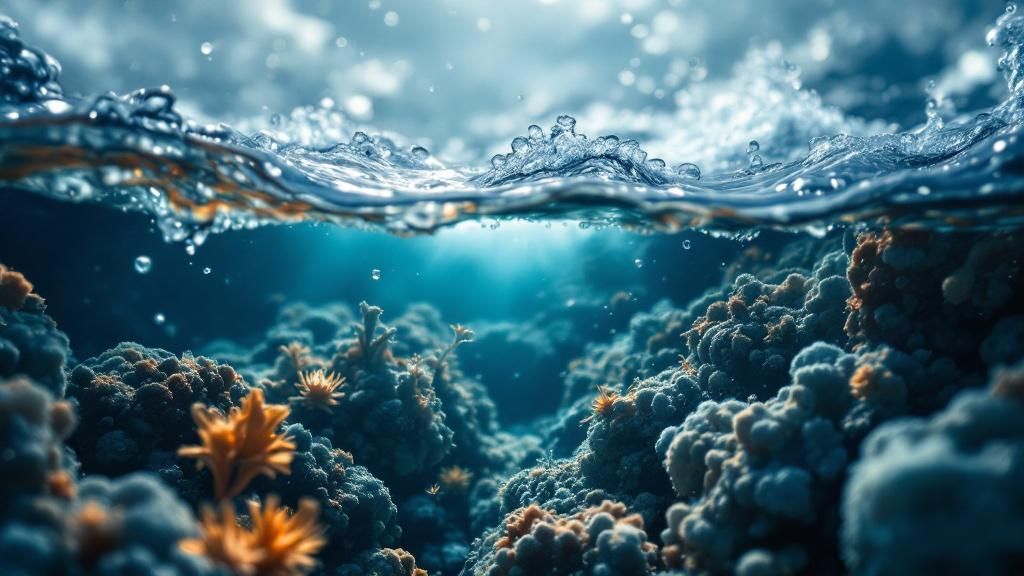
Ocean acidification poses an extraordinary threat to marine life, yet its total consequences stays insufficiently grasped. Groundbreaking research have recently exposed the sophisticated pathways through which increasing acidification compromises environmental wellbeing, from affecting shell formation to damaging fish sensory capabilities. This article explores the latest scientific findings that show how acidification cascades through food chains, influencing everything from microscopic plankton to dominant carnivores. Grasping these essential relationships is vital as we face the critical imperative of safeguarding marine environments for coming generations.
Comprehending Oceanic Acidification
Ocean acidification takes place when atmospheric carbon dioxide dissolves into seawater, creating carbonic acid and reducing the ocean’s pH levels. Since the Industrial Revolution, the ocean has taken in approximately 30 per cent of human-generated carbon dioxide emissions, leading to a 0.1 unit reduction in pH. Whilst this may appear minor, it constitutes a 30 per cent increase in acidity, significantly changing the chemical composition of our marine environments and creating conditions unprecedented in millions of years.
The process directly affects marine organisms by decreasing the supply of carbonate ions, vital compounds that numerous organisms need to construct and preserve their shells and skeletons. Pteropods, corals, molluscs, and crustaceans are particularly vulnerable to these chemical changes. Research demonstrates that even minor fluctuations in ocean acidity can impair calcification processes, undermine protective structures, and destabilise the intricate equilibrium of marine food webs, with cascading consequences throughout complete ecological systems.
Influence on Marine Life
Ocean acidification critically undermines the physiological processes essential for how marine organisms survive and reproduce. Shellfish including oysters, mussels, and pteropods struggle to form and sustain their calcium carbonate shells in progressively more acidic waters, whilst fish experience compromised sensory abilities that hinders their capability to search for food and escape from predators. Larval forms are especially susceptible, with acidification triggering developmental abnormalities that reduce survival rates. These direct physiological impacts cascade through marine food webs, threatening the food base upon which countless species require for food and expansion.
The biological effects extend far beyond single species, significantly transforming whole ocean ecosystems. As foundational species decline, feeding interactions become destabilised, possibly causing trophic collapses that propagate throughout ecosystems. Coral formations, already burdened by rising heat, face accelerated bleaching alongside reduced calcification rates in acidified waters. Commercial fisheries encounter extraordinary pressures as commercially important populations see abundance reductions. These interconnected effects emphasise the pressing need to tackle seawater acidification, as the stability of marine ecosystems—and the populations depending on them—remains at stake.
Chemical Alterations and Consequences
Ocean acidification significantly transforms the chemistry of seawater, reducing pH levels and increasing carbonate ion concentrations. These chemical alterations trigger cascading consequences throughout aquatic environments, affecting organisms at all trophic levels. Recent research demonstrate that even small shifts in ocean chemistry can interfere with essential biological functions, from nutrient recycling to reproductive outcomes. The acidification process speeds up as atmospheric carbon dioxide levels continue rising, intensifying pressure on ocean communities already contending with other environmental challenges. Scientists warn that without action, the compositional change of our oceans could dramatically transform marine biodiversity within decades.
Shell and Skeletal Development
Organisms that calcify—including corals, molluscs, echinoderms, and other calcifiers—encounter particular vulnerability to ocean acidification. These creatures rely on calcium carbonate to build their shells and skeletal frameworks, processes that grow progressively more challenging in acidified waters. Elevated acidity decreases the availability of carbonate ions necessary for calcification, compelling organisms to use substantially greater energy constructing and maintaining their protective shells and frameworks. Research indicates that pteropods, tiny swimming snails essential to marine food webs, display shell dissolution and developmental abnormalities when exposed to acidified conditions. This physical strain undermines their survival and reproductive success significantly.
The effects of compromised shell development reach well past individual organisms, threatening whole food webs reliant on these calcifying species. Pteropods represent a primary food source for salmon, whales, and seabirds, meaning reduced pteropod populations spread throughout ecosystems. Similarly, decline of coral reefs from stress caused by acidification and calcification problems eliminates vital habitats supporting thousands of species. Research in laboratories show that larval stages are especially vulnerable, with numerous organisms struggling to develop normally in acidified environments. These discoveries underscore how ocean chemistry shapes how ecosystems are structured and function.
- Pteropods exhibit reduced shell thickness and elevated dissolution rates
- Coral calcification rates decline significantly under acidification
- Mollusc larvae display abnormal development in acidic waters
- Echinoderm skeletal development becomes energetically costly
- Calcification stress reduces organism fitness and survival
Prospects Ahead and Approaches
Scientists are increasingly optimistic that targeted interventions can mitigate ocean acidification’s devastating effects on marine ecosystems. Emerging technologies, including alkalinity enhancement and artificial upwelling systems, demonstrate potential in specific regions. Simultaneously, cutting worldwide carbon output remains critical, as it targets the fundamental issue of acidification. Global accords and joint research programmes are advancing the creation of these remedies, suggesting possibility that we can maintain stable ocean pH and shield endangered ocean species from continued deterioration.
The route to progress requires both prompt intervention and enduring resolve from public bodies, commercial enterprises, and populations globally. Resources directed towards ocean protection, sustainable fishing practices, and renewable energy transitions are vital parts of a comprehensive strategy. Awareness campaigns highlighting ocean acidification’s consequences will build community backing for required legislative reforms. By merging research advances with policy determination and societal engagement, we can move forward in reversing acidification trends and ensuring thriving, resilient marine ecosystems for the years ahead.
