
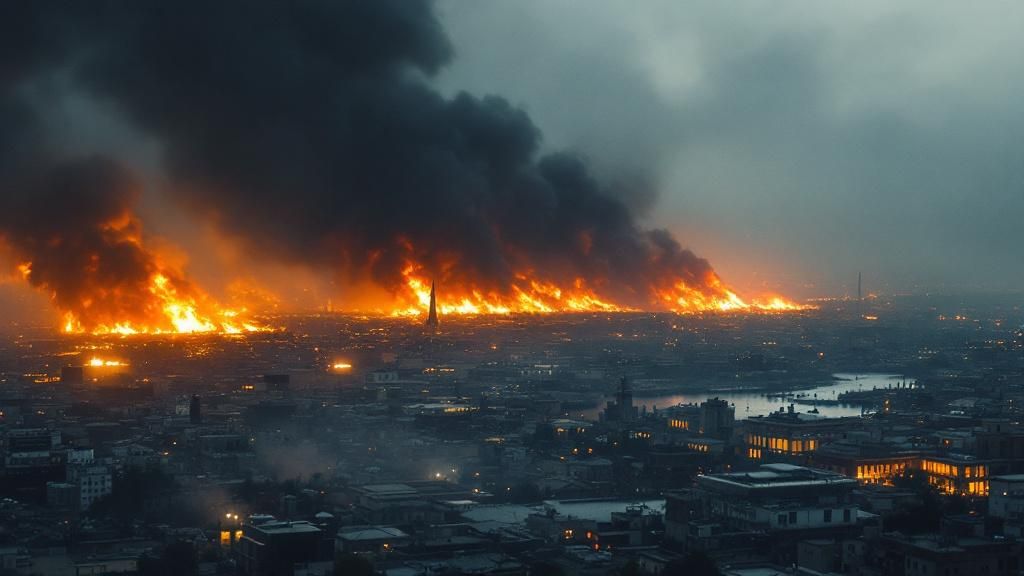
The collapse of peace talks has triggered an alarming rise in friction across a geopolitically significant region, as once-allied nations find themselves unable to progress. With communication channels strained and mutual distrust deepening, the world leaders observes with concern as armed forces mobilise and financial penalties approach. This article investigates the underlying causes behind the failure, evaluates the strategic consequences for international order, and explores routes to reducing tensions before the situation deteriorates irreversibly.
Regional Conflicts Reach Critical Point
The political rupture has triggered an significant escalation of tensions throughout the area, with states abandoning longstanding treaties and strengthening defence capabilities along contested borders. Once cooperative relationships have deteriorated rapidly, overtaken by discourse marked by accusations and threats. Security services indicate elevated military movements, whilst economic interdependencies that previously encouraged collaborative efforts have turned into instruments for pressure. The international community shows significant worry about possible misjudgements that might provoke lasting repercussions.
Multiple pressure points now call for immediate focus, as regional powers strengthen partnerships and manoeuvre for advantage. Trade routes face disruption, aid challenges intensify, and bordering states grapple with uncertainty regarding their own security implications. The lack of effective communication pathways means that misunderstandings escalate rapidly without proper channels for cooling tensions. Observers caution that without immediate intervention from world peacekeepers, the situation threatens to descend into open conflict with far-reaching consequences for worldwide peace and economic growth.
Diplomatic Efforts Collapse
The collapse in diplomatic negotiations represents a crucial turning point in international relations, as extended deliberations have yielded to acrimony and recrimination. Lead representatives from opposing factions have publicly blamed one another for refusal to compromise, whilst core disputes over territorial boundaries, exploitation rights, and defence commitments remain unresolved. The exit of multiple countries from international platforms has deepened the isolation of major stakeholders, providing scant opportunity for mutual concessions or diplomatic exits that could enable fresh negotiations.
International negotiators, including representatives from established diplomatic institutions, have struggled to broker meaningful progress amid declining goodwill between parties. Multiple rounds of negotiations have broken down due to procedural disputes and fundamental differences, with each side charging the other with bad faith negotiation. The non-existence of direct communication channels between high-ranking figures has exacerbated these problems, allowing misunderstandings to fester and hardline groups to gain influence within their respective governments.
The social implications of prolonged diplomatic breakdown are increasingly apparent, as international movements have been limited and trade cooperation halted. Regional allies have begun distancing themselves from traditional partners, whilst smaller nations caught in the strategic crossfire face mounting pressure to declare loyalties. Without urgent intervention and sincere dedication to dialogue, the political deadlock threatens to crystallise into lasting hostility.
Worldwide Response and Concerns
The international community has expressed significant concern to the breakdown in diplomatic relations, with major global powers issuing formal statements calling for restraint and dialogue. The United Nations Security Council has held emergency sessions to assess the escalating situation, whilst regional bodies have demanded immediate talks. Western countries have voiced serious concern about military buildups, warning of potential economic sanctions should conflict intensify. Meanwhile, bordering states fear destabilisation could trigger wider regional conflict, causing several governments to strengthen border security and examine defence readiness.
Humanitarian bodies have voiced pressing concerns about civilian populations caught within the conflict zones, underscoring risks of forced relocation and resource scarcity. International monitors have been deployed to monitor compliance with current agreements, though access continues to be limited in particular zones. The global markets have responded negatively to the instability, with investors pulling out capital from the area. Diplomatic officials from neutral countries continue shuttle missions, working to narrow the divide between conflicting sides and set initial conditions for productive negotiations.
Prospects Ahead and Path to Resolution
The course to resolution stays uncertain, yet official communications reveal faint indicators of potential. International intermediaries from non-aligned states have begun initial talks aimed at establishing common ground amongst the fractured parties. Whilst trust stays fragile, the financial burden of sustained hostilities and the risk of wider regional instability have prompted careful evaluation of negotiated settlements. Observer nations stress that continuous engagement, paired with trust-enhancing initiatives, could progressively lower hostilities and create space for substantive advancement.
Looking forward, the global actors must emphasise proactive diplomatic efforts and formalised dialogue mechanisms to avert continued decline. International organisations possess opportunities to facilitate dialogue whilst maintaining pressure on all parties to show genuine commitment to non-violent settlement. Success will necessitate significant concessions from various parties and a collective understanding that armed conflict serves no party’s long-term interests. Without urgent action and renewed diplomatic momentum, however, the region confronts prolonged instability with potentially catastrophic consequences for international stability.
